

Selecting the right educational institution is a pivotal decision for any family, profoundly impacting a child’s academic and personal development. In Pune, a city celebrated as the Oxford of the East, this choice is both a privilege and a challenge. The landscape is rich with options, from historic convent schools and prestigious international boards like IB and IGCSE to state-board affiliated institutions and emerging progressive schools. This guide provides a clear, structured framework to navigate this critical process. It will equip you with the essential criteria—from curriculum and faculty expertise to infrastructure and holistic development opportunities—to make a confident, well-informed choice for your child’s future in Pune’s vibrant educational ecosystem.
The Essential Factors for Selecting the Best Schools in Pune
PUNE INTERNATIONAL SCHOOL
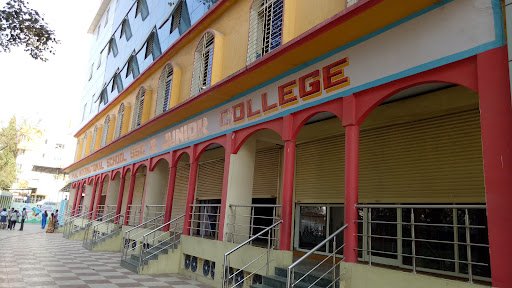
sr no 33, international school, 2, Lane Number 14, Vidyanagar, Tingre Nagar, Pune, Maharashtra 411032, India
+91 89830 12341
| Thursday | 9 AM–3 PM |
| Friday | 9 AM–3 PM |
| Saturday | 9 AM–3 PM |
| Sunday | Closed |
| Monday | 9 AM–3 PM |
| Tuesday | 9 AM–3 PM |
| Wednesday | 9 AM–3 PM |
ORCHIDS The International School – CBSE school in Undri
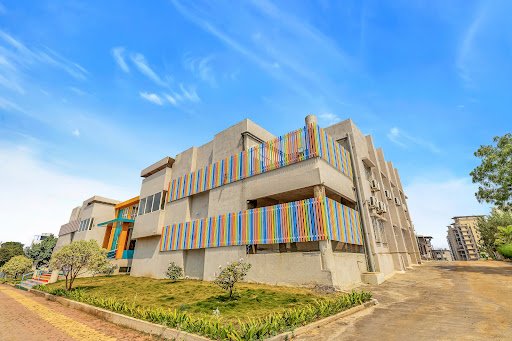
City Center, Near, Orchids The International School, Undri Survey No. 59, Apex Hills, Katraj-Hadapsar Bypass Rd, Atur Nagar, Undri, Pune, Maharashtra 411060, India
+91 99994 31999
4.8/5 (Read the Opinions)
| Thursday | 9 AM–6:30 PM |
| Friday | 9 AM–6:30 PM |
| Saturday | 9 AM–6:30 PM |
| Sunday | 9 AM–6:30 PM |
| Monday | 9 AM–6:30 PM |
| Tuesday | 9 AM–6:30 PM |
| Wednesday | 9 AM–6:30 PM |
Crimson Anisha Global School- Schools in Undri | CBSE School in Undri

S. No, 13, 1/1, NIBM Rd, Kad Nagar, Mohammed Wadi, Pune, Maharashtra 411060, India
+91 89561 13597
4.8/5 (Read the Opinions)
| Thursday | 10:30 AM–2:30 PM |
| Friday | 10:30 AM–2:30 PM |
| Saturday | 10:30 AM–2:30 PM |
| Sunday | Closed |
| Monday | 10:30 AM–2:30 PM |
| Tuesday | 10:30 AM–2:30 PM |
| Wednesday | 10:30 AM–2:30 PM |
St. Vincent’s High School, Pune

2005, 2006, St Vincent St, Camp, Pune, Maharashtra 411001, India
+91 20 2635 2135
| Thursday | 8:30 AM–4 PM |
| Friday | 8:30 AM–4 PM |
| Saturday | 8:30 AM–1 PM |
| Sunday | Closed |
| Monday | 8:30 AM–4 PM |
| Tuesday | 8:30 AM–4 PM |
| Wednesday | 8:30 AM–4 PM |
Delhi Public School Pune
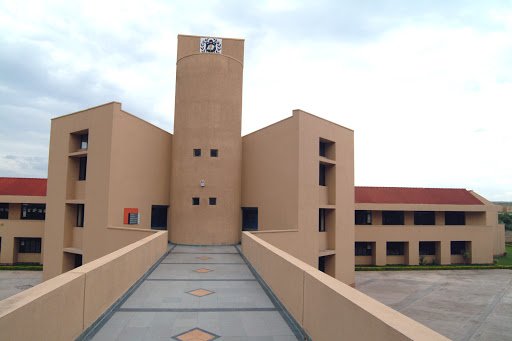
Nyati Estate Rd, Nyati County, Mohammed Wadi, Pune, Maharashtra 411060, India
+91 91759 52118
| Thursday | 7 AM–3 PM |
| Friday | 7 AM–3 PM |
| Saturday | 7 AM–1 PM |
| Sunday | Closed |
| Monday | 7 AM–3 PM |
| Tuesday | 7 AM–3 PM |
| Wednesday | 10 AM–3 PM |
Indus International School Pune

576, Bhukum, Tal, Mulshi Rd, Pune, Maharashtra 412115, India
+91 20 6952 2000
| Thursday | 8:30 AM–4:30 PM |
| Friday | 8:30 AM–4:30 PM |
| Saturday | Closed |
| Sunday | Closed |
| Monday | 8:30 AM–4:30 PM |
| Tuesday | 8:30 AM–4:30 PM |
| Wednesday | 8:30 AM–4:30 PM |
J. N. Petit Technical High School
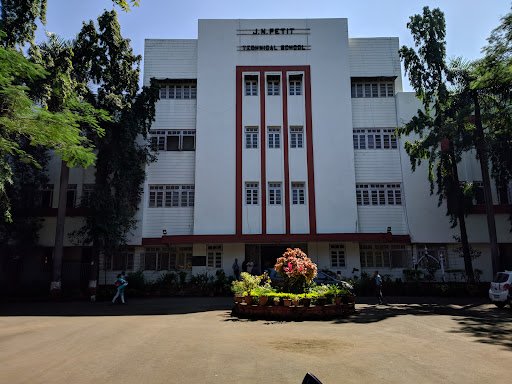
28, Bund Garden Rd, Sangamvadi, Pune, Maharashtra 411001, India
+91 20 2970 9519
| Thursday | 8:30 AM–9 PM |
| Friday | 8:30 AM–9 PM |
| Saturday | 8:30 AM–9 PM |
| Sunday | Closed |
| Monday | 8:30 AM–9 PM |
| Tuesday | 8:30 AM–9 PM |
| Wednesday | 8:30 AM–9 PM |
Mansukhbhai Kothari National School

H & M Royal, Sr.# 19, opp. Talab Factory, Kondhwa, Pune, Maharashtra 411048, India
+91 20 4127 8501
| Thursday | 8 AM–4 PM |
| Friday | 8 AM–4 PM |
| Saturday | 9 AM–2 PM |
| Sunday | Closed |
| Monday | 8 AM–4 PM |
| Tuesday | 8 AM–4 PM |
| Wednesday | 8 AM–4 PM |
Mahindra International School

P-26, MIDC, Hinjawadi Phase 1 Rd, Phase 1, Hinjawadi Rajiv Gandhi Infotech Park, Hinjawadi, Pune, Maharashtra 411057, India
+91 20 4295 4444
| Thursday | 7:45 AM–4 PM |
| Friday | 7:45 AM–4 PM |
| Saturday | Closed |
| Sunday | Closed |
| Monday | 7:45 AM–4 PM |
| Tuesday | 7:45 AM–4 PM |
| Wednesday | 7:45 AM–4 PM |
Global Indian International School – Top School in Pune | Best CBSE School in Hadapsar
Kumar Purva, Leisure town, Survey No. 202, Building G Sade Satra Nali, 202, Bapusaheb Tupe Rd, Malwadi, Hadapsar, Pune, Maharashtra 411028, India
+91 1800 572 2810
| Thursday | 8 AM–6 PM |
| Friday | 8 AM–6 PM |
| Saturday | 8 AM–1 PM |
| Sunday | 9:30 AM–1 PM |
| Monday | 8 AM–6 PM |
| Tuesday | 8 AM–6 PM |
| Wednesday | 8 AM–6 PM |
Key Factors to Consider When Choosing a School in Pune
Selecting the right school in Pune requires a thorough evaluation of several critical elements that directly impact a child’s educational journey and personal development. Prospective parents should prioritize the school’s academic curriculum, such as CBSE, ICSE, IB, or state boards, to ensure it aligns with their child’s learning needs and future aspirations. It is equally important to assess the quality of faculty, the infrastructure including libraries, labs, and sports facilities, and the overall school culture that fosters holistic growth. Proximity to home, extracurricular opportunities, and the fee structure are also vital practical considerations that contribute to making a well-informed and sustainable choice for the family.
Understanding the Different Education Boards Available in Pune
Pune offers a diverse range of educational boards, each with its distinct pedagogical approach and assessment methodology. The most prevalent boards include the Central Board of Secondary Education (CBSE), known for its structured, national curriculum ideal for families that relocate frequently; the Indian Certificate of Secondary Education (ICSE), which offers a more comprehensive and detailed syllabus with a focus on English language skills; and the International Baccalaureate (IB), recognized for its global perspective and inquiry-based learning. Additionally, many schools follow the Maharashtra State Board, which is tailored to the local context and language. Understanding the philosophy and rigor of each board is the first step in narrowing down the school options that best fit a child’s academic inclinations.
Evaluating Academic Excellence and Faculty Qualifications
A school’s claim to academic excellence is fundamentally supported by the qualifications, experience, and dedication of its teaching faculty. When evaluating a school, it is crucial to inquire about the teachers’ educational backgrounds, their ongoing professional development, and the student-teacher ratio, which significantly influences the individual attention a child receives. A strong faculty is not only adept at delivering the curriculum but also excels in fostering critical thinking and a love for learning in students. Reviewing the school’s board examination results and university placements can provide tangible evidence of its academic track record and the effectiveness of its instructional methods.
The Importance of Infrastructure and Campus Facilities
Modern and well-maintained infrastructure plays a pivotal role in creating a conducive learning environment. Essential facilities to look for include spacious and ventilated classrooms, well-equipped science and computer laboratories, a comprehensive library with a wide range of resources, and dedicated spaces for art, music, and drama. Furthermore, sports facilities such as playgrounds, swimming pools, and courts for various sports are indispensable for the physical development and overall well-being of students. A safe, secure, and technologically advanced campus ensures that students have access to the tools and environments necessary for a holistic educational experience.
Analyzing the Extracurricular and Co-curricular Landscape
Beyond academics, a school’s commitment to extracurricular and co-curricular activities is vital for nurturing a child’s talents, interests, and social skills. A robust program should offer a diverse array of options, including competitive sports, visual and performing arts, debate clubs, robotics, and various student-led societies. These activities provide essential opportunities for students to develop teamwork, leadership, time management, and resilience. When choosing a school, parents should examine the frequency, variety, and quality of these programs, as they are integral to shaping a well-rounded personality and helping students discover their passions beyond the textbook.
Navigating the Admission Process and Fee Structure
The admission process for schools in Pune can be competitive and often involves multiple steps, including submission of application forms, entrance tests, interviews with the child and parents, and sometimes a review of past academic records. It is imperative to start the process early, be aware of important deadlines, and have all necessary documents prepared. Simultaneously, a clear understanding of the fee structure is critical for financial planning. Parents should inquire about not only the tuition fees but also additional costs such as transportation, uniforms, books, and annual charges. Many schools offer fee breakdowns and may have scholarship programs or installment plans, making it essential to have transparent communication with the school administration to avoid unforeseen financial burdens.
https://youtube.com/watch?v=9vEvNITL5TY
More information
What are the different types of schools available in Pune?
Pune offers a wide spectrum of schools, including public schools run by the government, private schools, and international schools following curricula like the IB and IGCSE. Many schools are also affiliated with Indian boards such as the CBSE, ICSE, and the state-level Maharashtra State Board.
Which areas in Pune are known for having good schools?
Several areas in Pune are renowned for housing top-rated educational institutions. Key localities include Koregaon Park, Kalyani Nagar, Camp, Baner, and Kothrud, which host a concentration of well-established international and private schools.
What is the typical academic calendar for schools in Pune?
The academic year for most schools in Pune typically runs from June to April. The year is divided into two semesters, with the first term ending in October, followed by Diwali vacations, and the second term concluding with final exams in March or April.
How does the admission process generally work for Pune schools?
The admission process can be competitive, especially for sought-after schools. It often begins several months before the academic year starts and may involve submitting an application form, an interaction or interview with the child and parents, and sometimes an entrance assessment for higher grades.
Related Posts
Top Schools in Jamnagar, India: A Comprehensive Guide
Top Schools in Junagadh, India: A Comprehensive Guide
Top Schools in Gandhinagar, India: A Comprehensive Guide for Parents
Top Schools in Haridwar, India: A Comprehensive Guide
Top 10 Schools in Dehradun, India: A Comprehensive Guide
Top Schools in Surat, India: A Comprehensive Guide
Top Schools in Ahmedabad, India: A Comprehensive Guide for Parents
A Comprehensive Guide to the Best Schools in Rajkot, India
Añadir comentario